

SYNESTHESIA
What is synesthesia? It’s mysterious and difficult to explain. To make things more complicated, each synesthete has a completely unique experience.
I’ll try to give you an idea of what it’s like. People typically experience the senses of sight, smell, touch, taste, and hearing separately. People with synesthesia experience two or more of those senses simultaneously.
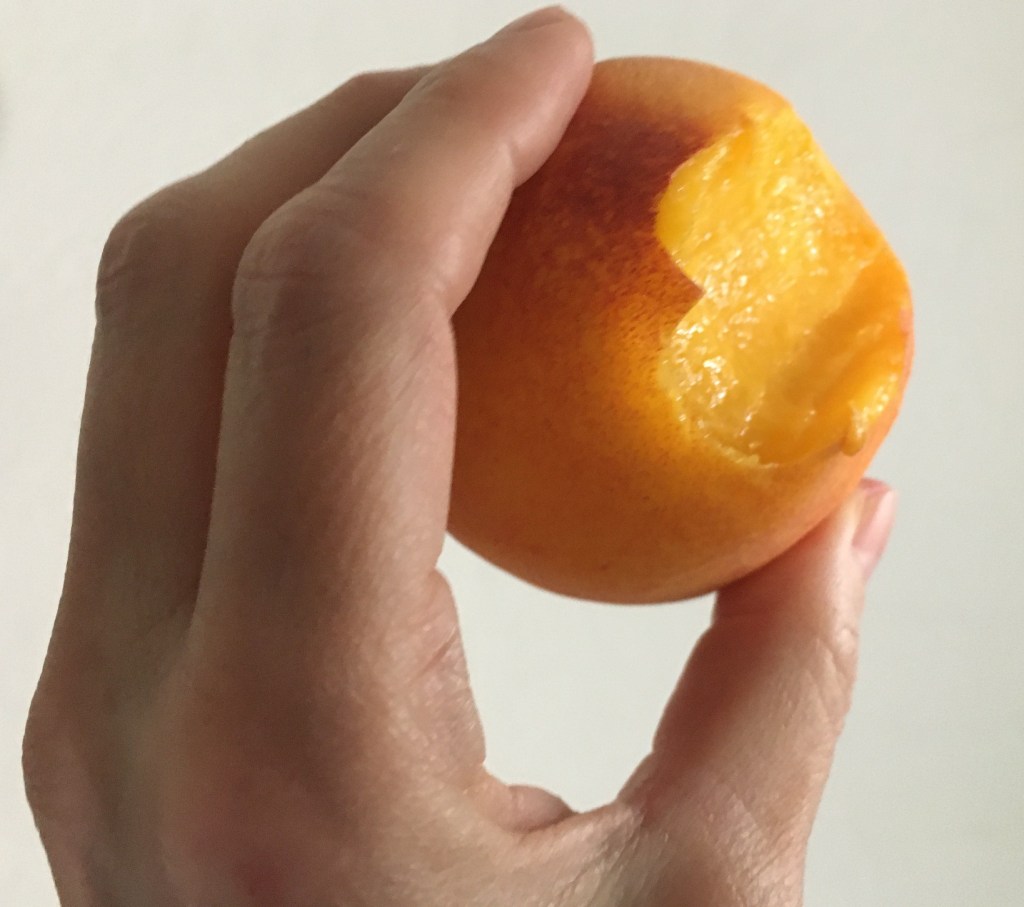
For example, when a synesthete bites into a peach, they may taste the peach and see neon blue and hear a crinkling sound. Another synesthete will bite into a peach, taste the peach, and feel prickles on their neck.
To someone who does not have synesthesia, it’s nearly impossible to imagine all those things happening in a second. And they don’t seem to be related to the “typical” experience of biting into a peach. However, it’s a reality to synesthetes.
Then add emotions and emotional triggers to the mix, and it gets very complex! So maybe biting into a peach not only makes a synesthete have a combination of sensory experiences, but it could cause them to feel sad or burst out in laughter.

A synesthete has always experienced life that way, and they can’t imagine it otherwise. I think of it as the opposite of being color blind or partially blind or hearing impaired or similar. People with those conditions have less sensory information, while synesthetes have more sensory information. But we all live our lives the way we personally experience them. And … typically we learn from a young age not to let on that we aren’t like “everyone else.” So it’s very likely you know someone with synesthesia, but they’ve never mentioned it.
There are an unlimited combination of synesthetic experiences, and at least one source has found 75 combinations! (http://www.daysyn.com/Types-of-Syn.html) If you are curious about all the different types, you can easily do an online search.

The most common type is grapheme-color synesthesia. You will likely meet someone in life who has this. They see a specific color (or colors) with each letter and number. It’s so consistent that it can be mapped out and doesn’t change. However, when letters form words, a lot of other factors can come into play. Maybe the sound of the word triggers something. Maybe the visual of the word triggers something. But a person with grapheme-color synesthesia will definitely “like” or “dislike” certain letters or numbers.
I wanted to write a story with a main character as a synesthete since I am one. My heroine, Tarina, has a few combinations of synesthesia. She would experience them constantly, but I only write about them in specific places to give a non-synesthete a glimpse of what it’s like. I hope you enjoy a peek into our world!


 LR STRONG